
Aviel, 肖榕榕

Ba (Hons) Interior & Environment Design - 2019 Cohort

My Design Philosophy

Interior design is a design process that, on the premise of people's pursuit of quality of Life, makes a reasonable transformation of the indoor environment in terms of functionality and aesthetics to create a space that meets people's material Life and spiritual needs. If I were asked what interior design means, I would say that design is not an end but a process of changing lifestyle. Good design can change people's behaviour, which will become habits and affect people's Life. We must think about every shape, every material used, and every scene created. What are its meaning and purpose? Have you served the owner of this space.

Honours Project - Community Integration

Project Brief

Reflection

  • Design Inspiration - Object Brick Building

  • Focus - Block interpenetration

  • The interactivity of the experiential space in parent-child libraries

  • Light and Shadow, Reflection of Building Materials

  • Design aim - Indoor space and outdoor connection

Idea Generation & Design Process

Shining focus

Reconstructing space

Brainstorming

Evolved

Shining focus

Reconstructing space

Brainstorming

Evolved

Slider image

The shining points in their children.

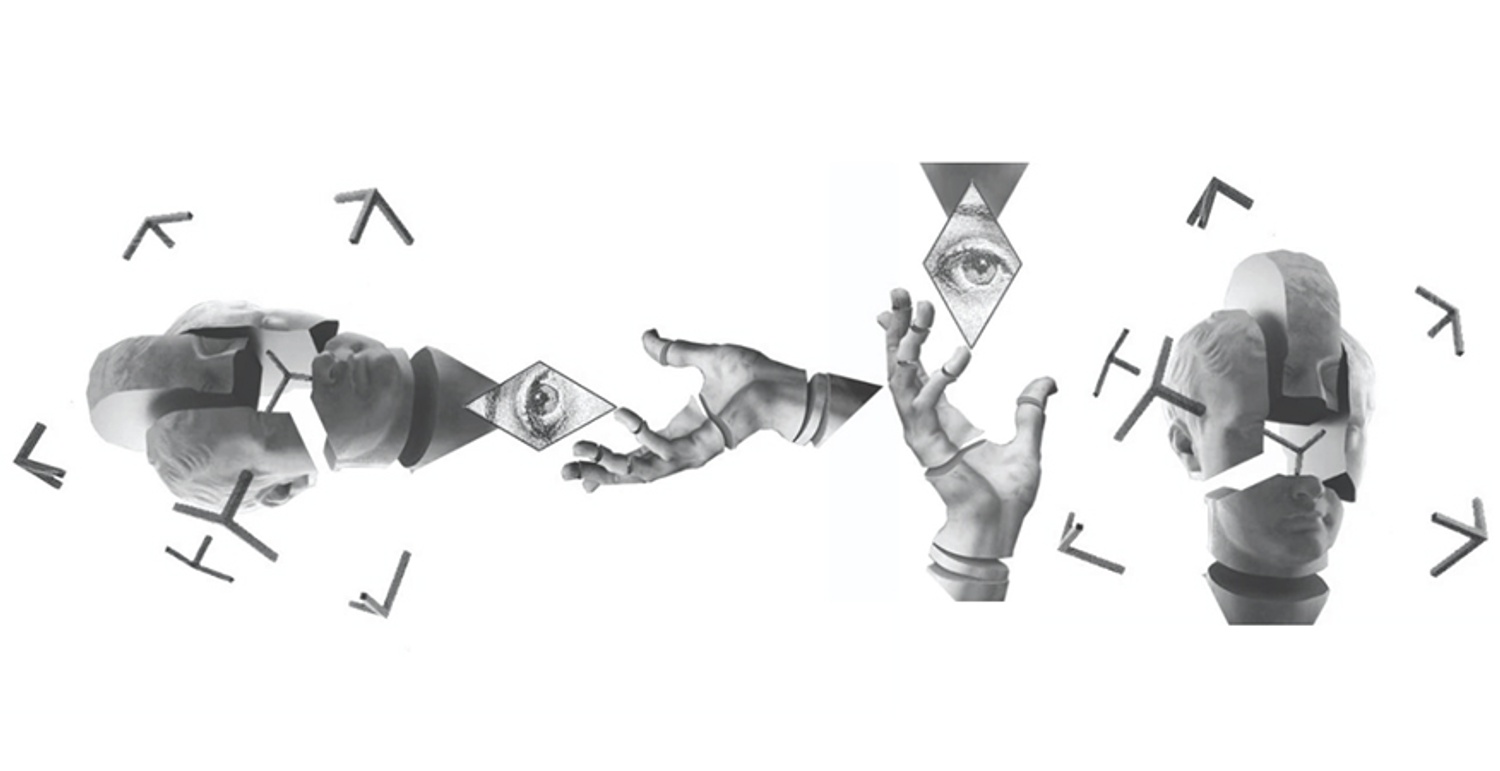
Parents should see the shining points in their children and not blindly demand their academic performance like machines. Comprehensive development is the key. Adding techniques of changing perspectives to the interior of the space and the exterior of the building renovation to achieve the goal, parents and children grow and rely on each other like light and shadow, and the transformation and interaction between the two are the starting point and direction.

Slider image

The process of reconstructing space

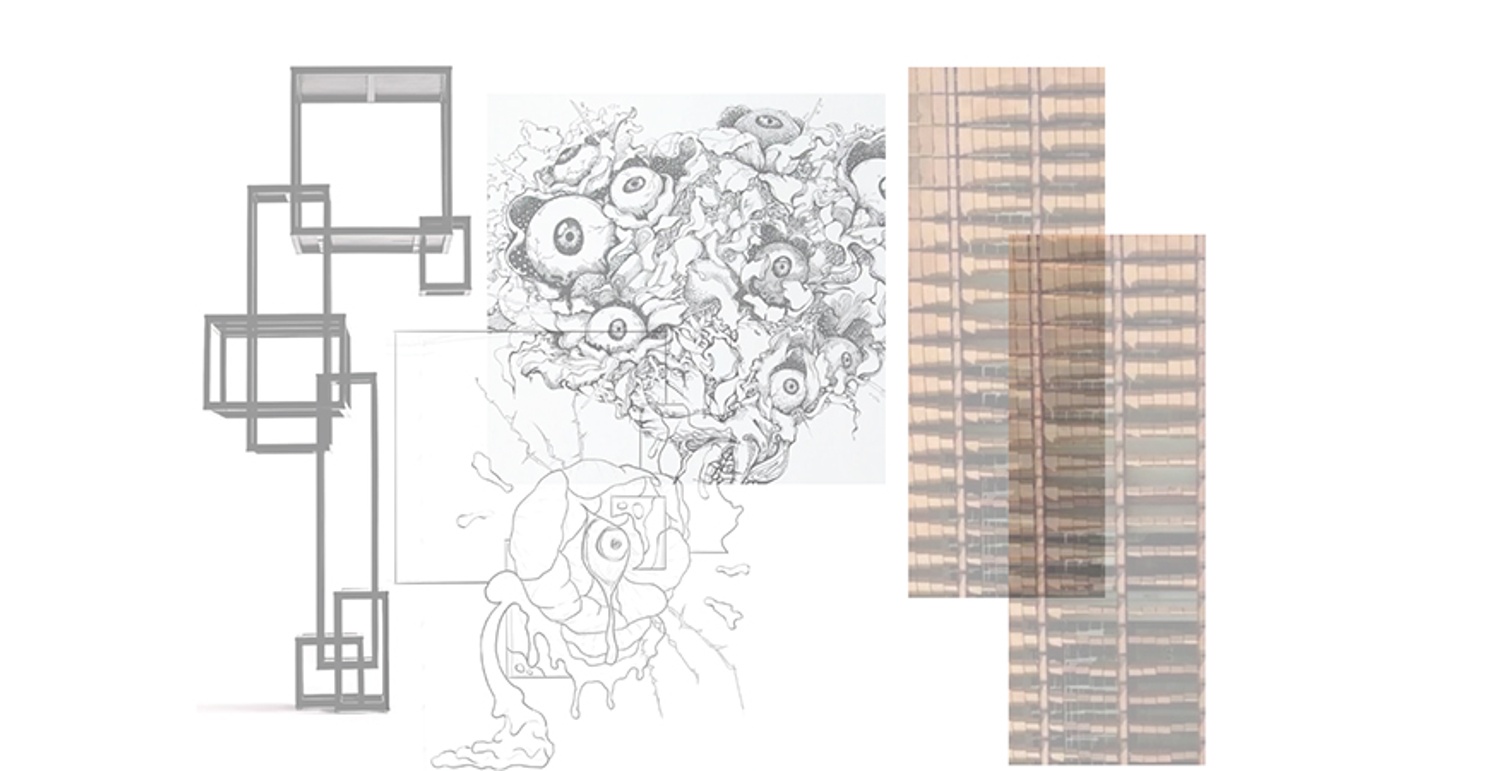
The process of reconstructing space through the arrangement and combination of bricks and geometric blocks is extended to a special intersperse. The intersperse between blocks is like the relationship between parents and children, requiring overlap to deeply understand the child's inner world, rather than blindly using the so-called adult perspective.

Slider image

Brainstorming in-depth detailed ideas

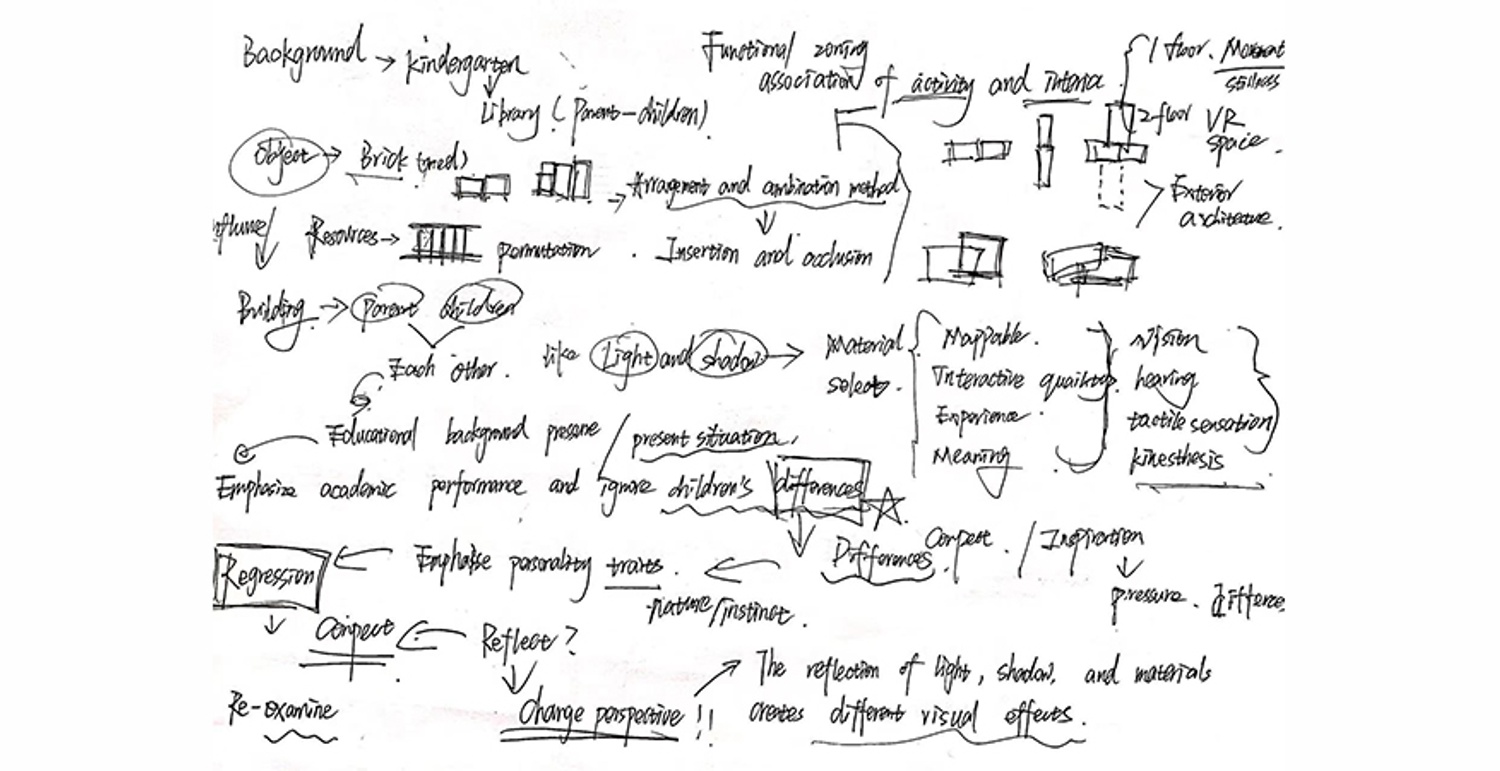
Brainstorming in-depth detailed ideas and concepts for renovating buildings, the function of which is a parent-child library, with a main audience of parents and children. Measuring the measurement and relationship between parents and children is crucial, and the function of changing perspectives is formed through the reflection of light and shadow and materials.

Slider image

The bricks evolved

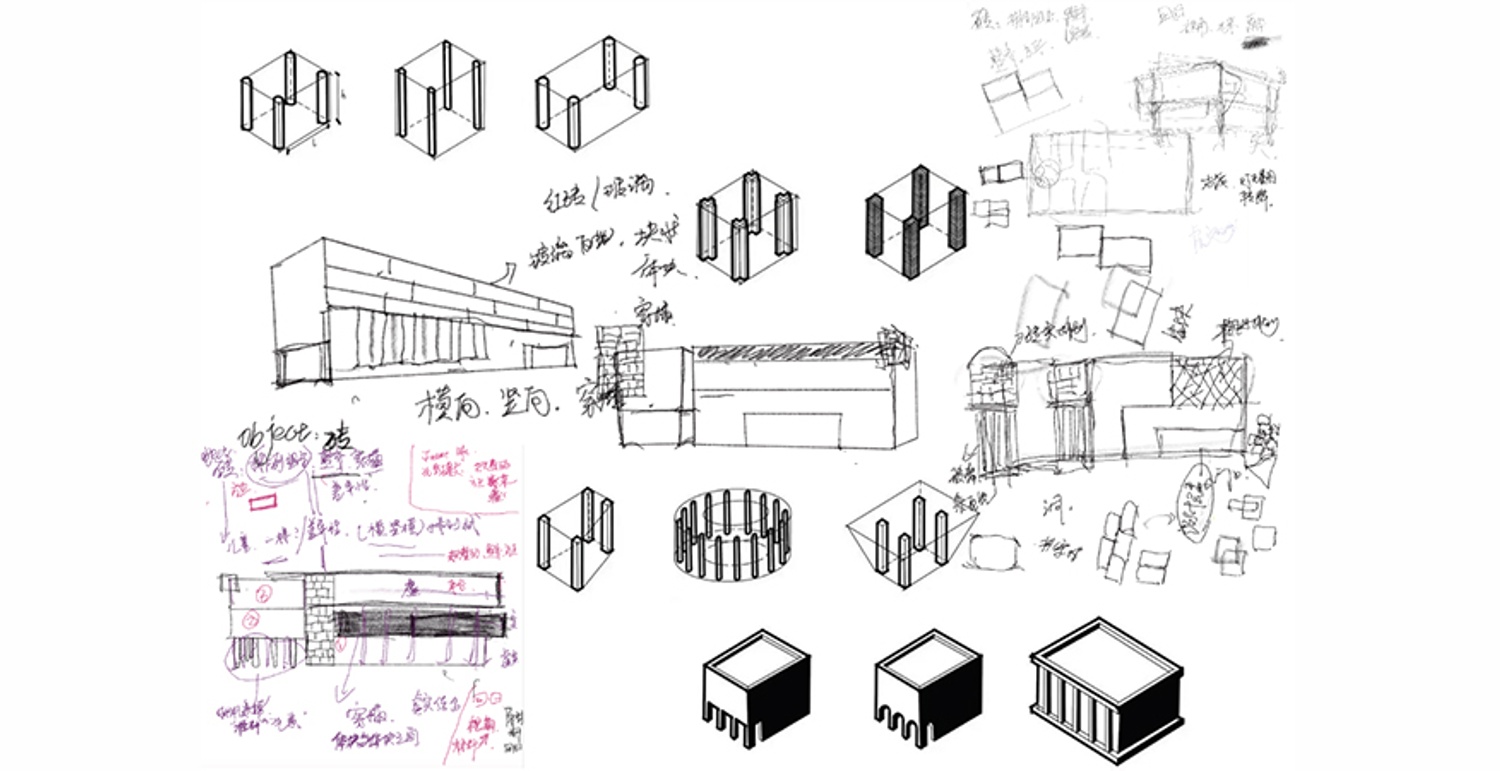
The bricks evolved from the arrangement and combination of object bricks are interspersed and arranged, and the arrangement and combination of resource railings are also used as the bottom top beam in the building. The original railing in the middle hinders development, so it is removed and retained to form a corresponding part.

Step 1 of 4

Final Design Scheme

Reflection

The design is divided into two layers. The first layer is the main area for parent-child reading and parent-child activities, and a separate second layer is established next to it. The main function is the VR experience space area. On the exterior of the second floor, a design of block insertion is used. Local design techniques use red block insertion to lock the structure, creating a sense of spatial and visual sequence and visual illusion. The overlapping and staggered blocks are cut and inserted, forming a unique shape to enrich the sense of spatial and architectural hierarchy.

Final Design Proposal

By incorporating reflective glass into the architecture, a staggered combination of virtual and real elements is formed, which not only enriches the façade of the building but also reflects its spatial and functional aspects. By using the techniques of dislocation superposition and virtual reality superposition, as well as the fusion of red intersperse and white modern architecture, parents and children can freely use their imagination to define the architecture and space seen by glasses, forming their own unique ideas.

General Views

In the selection of materials, glass that can reflect light is used to reflect different spatial elements from different angles, catalyzing space from multiple angles and visual perspectives. This technique is used to help parents understand that they should view and treat children's differences comprehensively, respect each child's choice and natural development direction as much as possible, and not judge based on a single academic performance. The charm of space lies in the interweaving and overlapping of light and shadow, exploring the boundaries of light and shadow through the continuous refraction and reflection of natural light, and experiencing the changes in space.

Context, Site analysis, Design Narratives and Concept

Get to know the thorough design development from the stages listed below.

Community Project - Participant’s Installation

Design Narrative

Building sustainable green ecological communities has become an inevitable direction in community planning and design, and it is necessary to start with the internal architectural planning of the community. Whether inside or outside the building, more green and environmentally friendly equipment should be used to enhance the green ecological aspect of the entire community. Specifically, selecting more green and environmentally friendly building materials, implementing building methods that generate minimal dust and tree removal, and establishing the best green and environmentally friendly community infrastructure. This way, green ecological communities can better respond to sustainable development strategies. The integration of land resources has been carried out in the open space between the parent-child library and the kindergarten building by removing the originally built railing in the middle and replacing it with a corridor that allows for viewing and resting. Entertainment facilities that provide a parent-child experience have been added, fostering a good and harmonious parent-child relationship during activities. The arrangement and combination of objects are associated with each arrangement and combination of columns. The colonnade serves as a place for people to rest, but this community lacks visual and meaningful elements. Building upon its original functions, more emphasis is placed on artistry, significance, and creativity. While maintaining its foundation, high-tech technology has been introduced to enable interaction with people and generate emotional resonance. The installation art mainly echoes the arrangement of lines and the intersecting large exterior curved lines, using the soft and plastic shape of lines to reflect communication and interaction. The intertwining of lines and the interplay between points reflect the return of parents and children to the most primitive state of innocence.

Honours Project - Site Research and Representation

Part I: Research and Analysis

The location I have chosen is in Wu'an City, Handan City, Hebei Province. There is an abandoned kindergarten on Kuaijian Road and Zhongxin Road near the roadside, close to residential areas with convenient transportation and high pedestrian flow. There are nearby Zhongxing Commercial District, banks, squares, etc. This building is located in the center of the city, with a height of two floors and made of ordinary bricks and concrete. It is in the same courtyard as the newly built kindergarten, but it's on the opposite side. The entire courtyard covers an area of approximately 4550 square meters, which includes the area of abandoned kindergartens, newly built kindergartens, and courtyard squares. This is the original building of the abandoned kindergarten modeled by Su. From the past to the present, it carries the thoughts and feelings of the surrounding community. In the past few decades, it used to be a community supply and marketing cooperative. Then from a supply and marketing cooperative that serves others to a kindergarten that serves the surrounding residents, this place is filled with memories and beliefs of the community. Convenient transportation surrounds it, and it is located in an independent courtyard with strong adaptability for renovation. With the increasing pressure of social education, many parents blindly pursue their children's academic performance while neglecting each child's own development and nature. This building will be transformed into a parent-child library to cultivate and establish good parent-child relationships from a young age, using books as a communication bridge. Here, emotions can be sublimated, and parents can discover the characteristics of their children and develop their own nature.    

Part II: Site Representation

My object is bricks. When I enter the place I have chosen, I am attracted to the brick facades made of bricks. If turned into a brick facade, it will have different textures, depressions, arrangements, and three-dimensional shapes. We live in a fast-paced life, and the process of urbanization has brought convenience to our lives. But at the same time, regional cultural characteristics and the sense of participation of young people are slowly being consumed. The fast-paced life is increasingly forcing us to forget to stop and appreciate the world. The improvement of the quality of life has brought many fresh and dazzling buildings, materials, etc. And many people have ignored the natural materials of nature. The purer the thing, the higher the level. Therefore, we should respect the background and history, get close to nature, and enjoy some pure natural things. Only by enduring the test of time can we survive. The bricks extracted from the original building seem to have the same surface, but in reality, each brick is different, just like every child is unique and has their own shining points and strengths. Parents should not only focus on their children's academic performance but also respect each child's differences and their own nature. Objectives of the building:   1 - Enrich the spiritual, historical, and cultural life of surrounding communities and local areas, particularly for the elderly and children. 2 - Enjoy natural materials and textures.    3 - Promote sustainable development of communities and building relationships with nature. 4 - Increase scholarly culture and enhance people's cultural atmosphere. Return to nature, get rid of impurities, and enjoy the simplicity and purity of nature.

Honours Project

Theoretical Underpinning

Part I: Generation Z and Self Identification

'The development of the backbone cannot be separated from social progress, and social progress cannot be separated from the contributions of young people.'

View of participation

The growth of "Generation Y" youth in China is in a transitional period of social development, and "Generation Y" youth are the backbone of social progress and development. While being expected, they also bear criticism from the outside world. The development of the backbone cannot be separated from social progress, and social progress cannot be separated from the contributions of young people. There is an interactive communication process between them. Therefore, in the contemporary social environment, a "positive view of participation" should be appropriately constructed, because "participation" is the demand of the development and progress of the times. Generation Y carries the progress and efforts of contemporary Chinese youth, who actively serve as role models for social participation through their own efforts. A positive sense of civic participation is a demand for social development and progress, and a well structured "positive participation perspective" is a demand for generations of development.

Part II:  Pre-generation Z and Self Identification

'Due to the rapid development of the internet and electronic devices, people in the Z era rely heavily on the virtual world on the internet to express their thoughts and feelings. They have become increasingly reliant on the internet,.'

The prosperous Gen Z

Generation Z was born during the prosperous period of the Internet and data communication technology. Due to the advancement of technology, people's lifestyles have changed, and communication has become more convenient due to the Internet. The main purpose of this work 'Weaving Z' is to express that although Generation Z is immersed in the internet, they should not forget to ignore the charm of handicrafts and the inheritance of handicraft culture in the handicraft era. Folk handmade fabric art involves cutting, sewing, and embroidery to make objects out of fabric. In ancient times, people would express their emotions and exchange wishes for a better life through needlework. Due to the rapid development of the internet and electronic devices, people in the Z era rely heavily on the virtual world on the internet to express their thoughts and feelings. They have become increasingly reliant on the internet, constantly accepting new things and cultures from outside, while forgetting the charm and authentic feelings of some traditional handmade fabrics. We should not use cutting and embroidery in folk handmade fabric art to make fabrics into objects.

Part III: Generations and Community

'While people's communication has become more convenient and efficient due to the Internet and communication equipment, they often neglect the charm of craftsmanship and cultural inheritance in the manual era.'

Interlaced

The similarities between Generation Y and Generation Z are that they have experienced the rapid development of the digital process and the vigorous development of the Internet. Advanced scientific and technological levels have led to changes in people's lifestyles and living standards. While people's communication has become more convenient and efficient due to the Internet and communication equipment, they often neglect the charm of craftsmanship and cultural inheritance in the manual era. Generation Y and Generation Z blend and disperse with each other. Different groups are adapting to change while also changing the world. As groups of different generations, we should create a positive "sense of participation" in the current environment. This "sense of participation" is not only reflected in the handmade aspects of oneself and emotions, the inheritance and development of ancient culture, but also reflected in the participation in social progress

To Explore, Discover, & Regenerate