Pulse 朱云峥

Ba (Hons) Interior & Environment Design - 2020 Cohort

My Design Philosophy

I am very glad to be a designer. Design is a multi-faceted course, integrating various subjects such as sociology, philosophy, etc., which makes the process of design a very interesting one, and my passion also comes from it. In the exploration of each project, I feel different cultural customs and cultures, which has become my favourite stage. The design process is like a journey, a pilgrimage, in which I accumulate strength and reach the temple in my heart at the end of the journey.

Honours Project - Community Integration

Project Brief

Integration of aging community - Organic Modular Construction

  • Issues to be addressed : key sentence explaining issues addressed 

  • Potentials : Possible potentials in a key sentence 

  • Design scheme : Key design scheme 

  • Structural : Key concept 

  • The final goals : Project goals not just for this project but for further designs

Idea Generation & Design Process

Generation

Bond

Elements

Development

Generation

Bond

Elements

Development

Slider image

Generational understanding

This is based on the situation of the increasing work pressure of young people, through the classification of different generations and understanding the behavioral habits of different generations, the elderly can be accompanied and the young can be relaxed. It is also a "bond" that connects the community together.

Slider image

The concept of bond

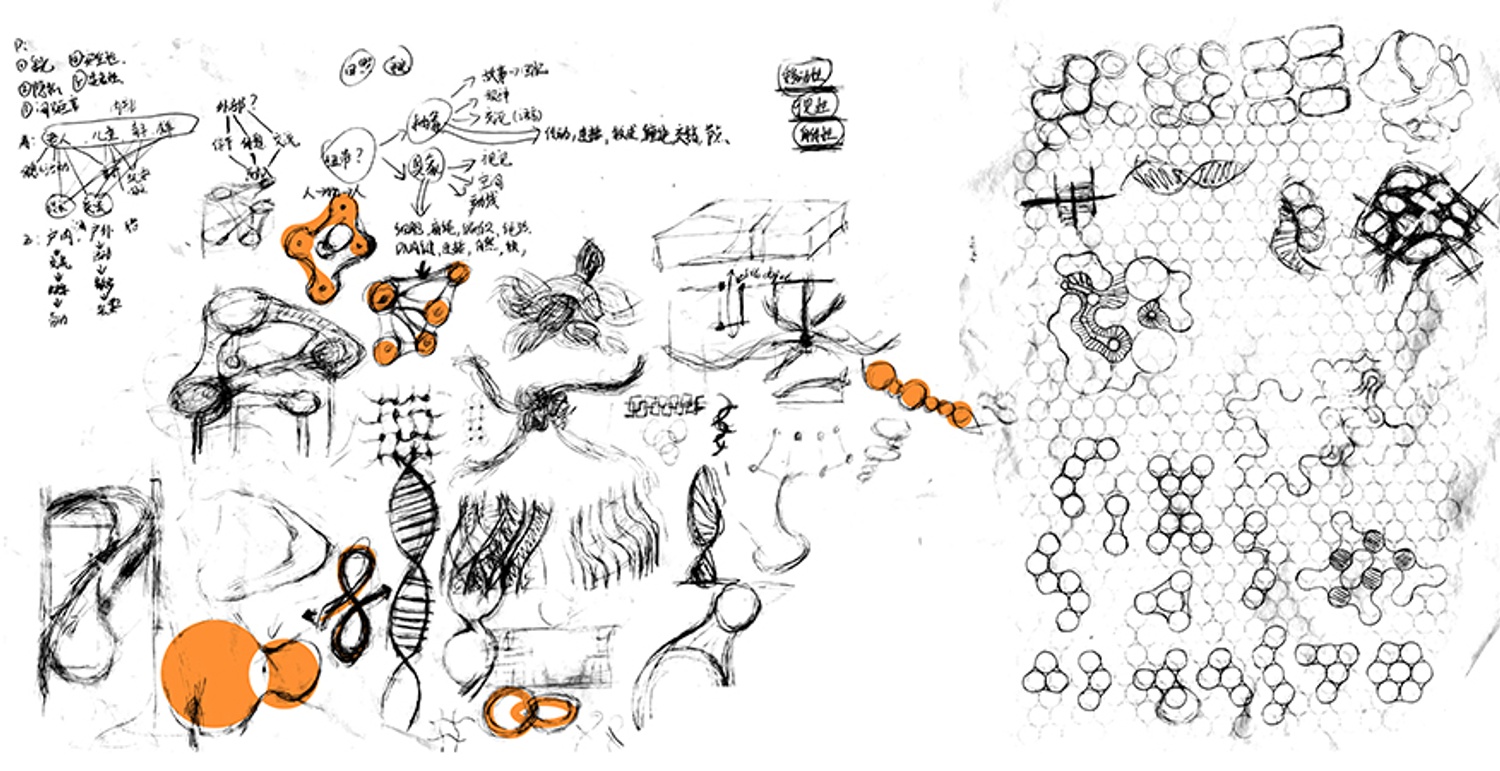
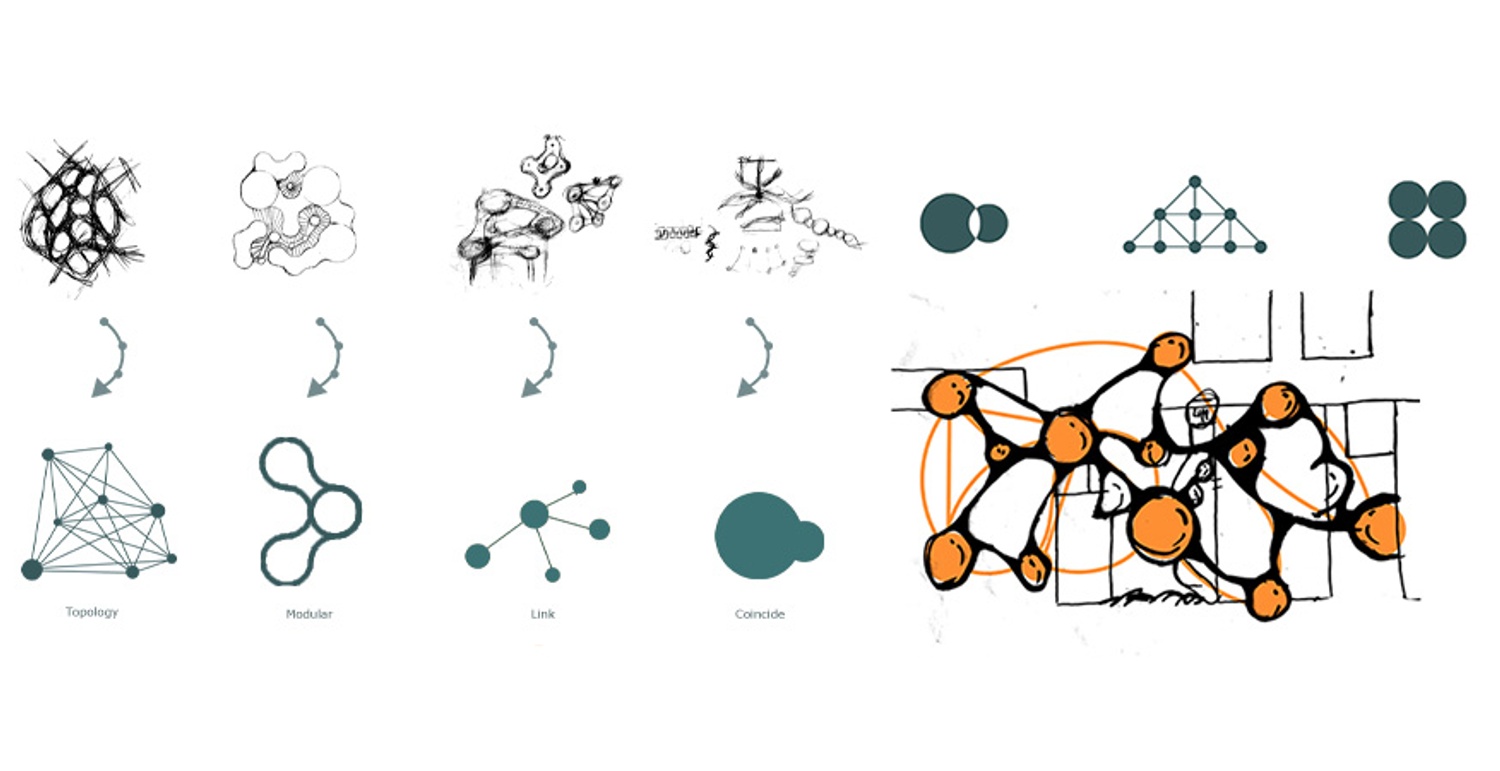
From the concept of bond, many elements are derived, including DNA strand structure, topology structure, knot structure, series structure. The elements are abstracted into the most basic geometric form and utilized. The elements are transformed from abstract to concrete.

Slider image

The extension of elements

Through the extension of the elements on the element board, many interesting forms can be obtained, and different elements are "defined" according to the needs of different groups, and elements are reinterpreted from both abstract and concrete perspectives. The design method of modularization is obtained, the community planning method is obtained

Slider image

Design development 

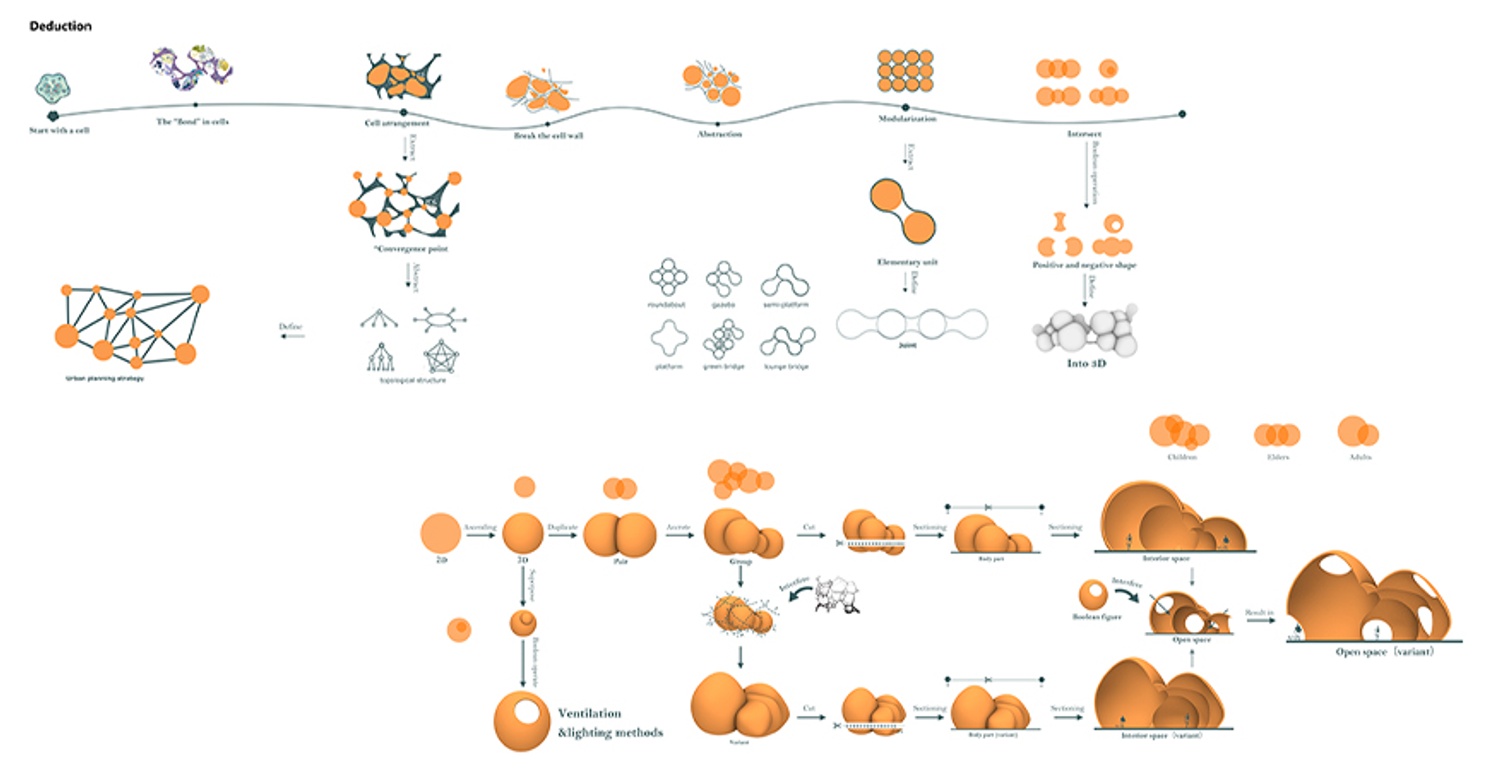
In this part, the three-dimensional space to be used in the design is developed based on the elements obtained from the transformation of two-dimensional graphics, and the body is analyzed based on the structure and operation methods (topological structure, Boolean operation method, modularity) obtained in two-dimensional.

Step 1 of 4

Final Design Scheme

Simple subtilite clear to the point 

Simple exploitation of the project 

Final Design Proposal

This community is clearly next to the next community, but it is cut off by a wall. Therefore, my design target is to take this community as the divergence point, radiate the surrounding communities in a planned way, break the "walls" in the community (physical walls and walls in people's minds) 

General Views

It is hoped that the design can change the gap between generations , and at the same time, it is hoped that the community can become a place full of children's laughter. And through the organic architectural form, rich space, break the cold appearance of modern architecture, and awaken people

Video Portfolio

Show the beauty with picturesque video portfolios. It will help people experience every scene.

Context, Site analysis, Design Narratives and Concept

Get to know the thorough design development from the stages listed below.

Community Project - Participant’s Installation

Design Narrative

Students theme  In today’s rapidly urbanizing world, the fabric of old living communities often reflects a rich tapestry of history and diversity. Yet, as these communities face the relentless march of time and change, they grapple with numerous challenges. Among these, fostering effective communication across generations stands out as a pivotal concern, especially with the advent of Generation Z—individuals born in the digital age, whose lifestyle and communication preferences starkly contrast with those of older residents. This generational divide poses a significant barrier to community cohesion and the collective pursuit of sustainable living practices.

The urgency to address this divide is underscored by the pressing need for environmental stewardship and sustainable development. Old living communities, with their aging infrastructures and traditional modes of operation, are at a crossroads. They can either evolve into vibrant, sustainable ecosystems that bridge the generational gap or remain siloed, with each generation misunderstanding and overlooking the values and potential of the other. The latter scenario risks not only the deterioration of community spirit but also the side-lining of crucial sustainability initiatives that require the engagement and collaboration of all community members. The project's implementation strategy, characterized by its collaborative and phased approach, underscores the importance of community involvement and feedback in driving successful innovation. By actively involving residents in the design, rollout, and evaluation of "EcoConnect," the project not only ensures that the installation meets the community's needs but also fosters a sense of ownership and responsibility among residents. This participatory approach is essential for building trust, enhancing engagement, and ensuring the long-term sustainability of the project.
As "EcoConnect" moves forward, it is imperative to consider the lessons learned from the pilot implementation and to remain adaptable to the evolving needs and dynamics of the community. Continuous evaluation and refinement of the project, based on feedback and data collected from residents, will be crucial for maximizing its impact and relevance. Moreover, the scalability of "EcoConnect" offers the potential to replicate its success in other communities, thereby amplifying its contribution to global sustainability and community development goals. 

Honours Project - Site Research and Representation

Part I: Research and Analysis

1000 words explaining the context of the site 

Part II: Site Representation

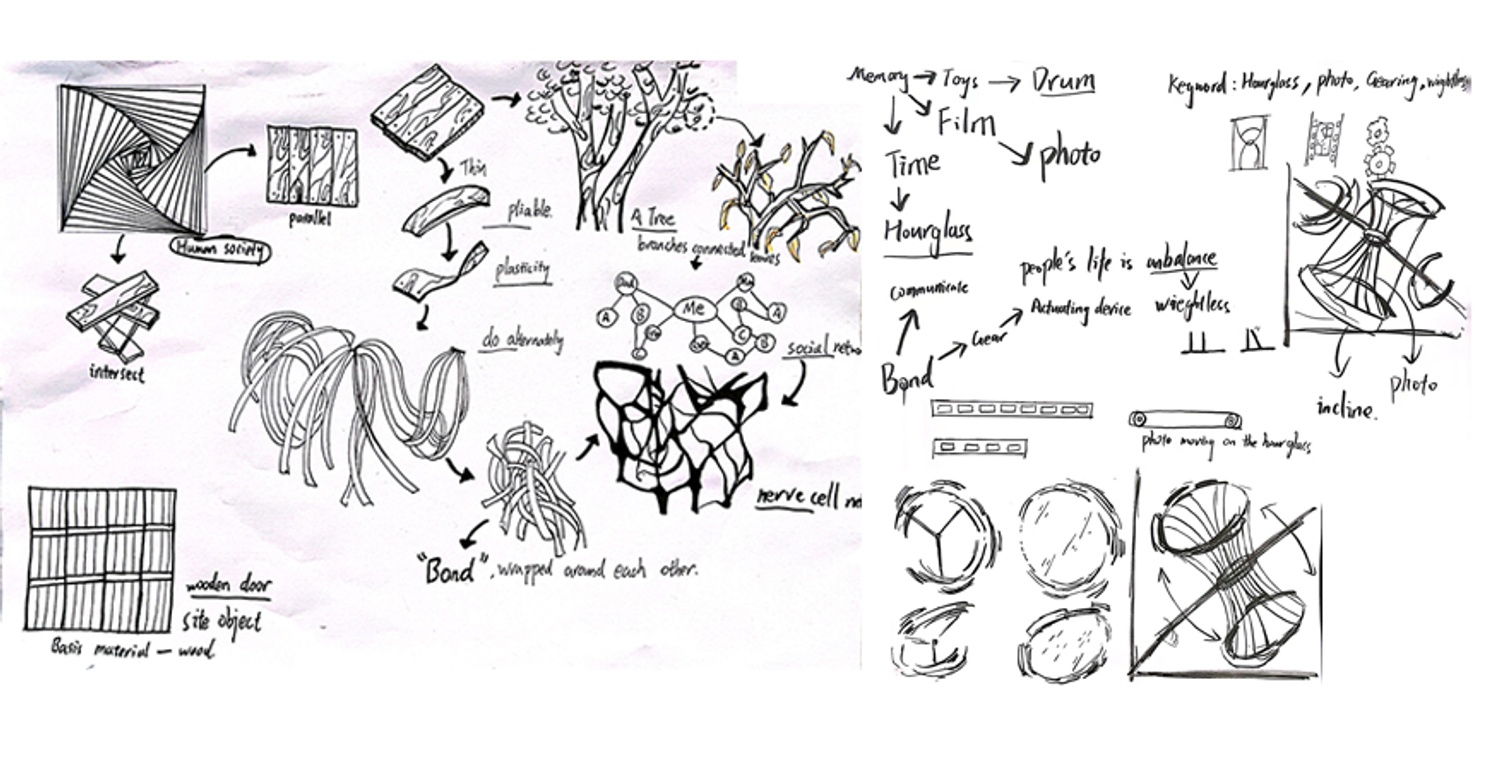
Narrative: site representation narrative  Bond between People and Objects: breakdown of the object and discussion  Roots: Human Social Network: context the choice 

Shared Memory: key message of the site representation 

Honours Project

Theoretical Underpinning

Part I: Generation Z and Self Identification

"Particularly, Generation Z's preference for innovation, sustainability, and technology integration challenges designers to create designs that are not only aesthetically pleasing and functional but also culturally resonant'

Self Identification

Community and generational perspectives significantly shape contemporary design, emphasizing the importance of understanding and engaging with diverse community cultures, histories, and social needs. Designers are increasingly adopting roles as listeners and collaborators, tailoring their work to accommodate the unique characteristics and requirements of different communities and generations.

Particularly, Generation Z's preference for innovation,
sustainability, and technology integration challenges designers to create designs that are not only aesthetically pleasing and functional but also culturally resonant and socially impactful. By integrating the multicultural aspects of communities with the distinct needs of Generation Z, designers have the opportunity to drive social progress and reflect the spirit of the times in their creations, acting as catalysts for cultural understanding and innovation.

Part II: Generation X and Self Identification

"They were at the forefront of economic diversification, globalization, and cultural modernization, blending traditional values with global culture."

Self Identification

Generation X, growing up during the reform and opening up, played a pivotal role in the country's transformation. They were at the forefront of economic diversification, globalization, and cultural modernization, blending traditional values with global culture. Actively involved in addressing social issues and environmental concerns, their contributions have positively influenced Chinese society's development.

Moreover, their unique position during the technological advancements of the Cold War era made them crucial in bridging past and future technologies. Their experiences and values not only reflect a deep understanding of both technology and culture but also signify their vital role in steering China towards further modernization and global integration.

Part III: Generation Z and Community

"understanding and engaging with the diverse cultures, histories, and social dynamics of communities, alongside acknowledging the distinct values and preferences of different generations."

Generation Z and Community

The essence of contemporary design lies in understanding and engaging with the diverse cultures, histories, and social dynamics of communities, alongside acknowledging the distinct values and preferences of different generations, especially Generation Z. Emphasizing community involvement, contemporary design requires designers to be both creators and collaborators, aiming to produce inclusive and adaptable solutions that resonate with the community's unique needs.

The shifting preferences of Generation Z towards innovation, sustainability, and technology integration present new challenges and opportunities, urging designers to focus on user experience and interactivity. By marrying the multicultural aspects of communities with Generation Z's emerging needs, designers have the opportunity to craft designs that not only reflect the zeitgeist but also drive cultural understanding and social progress, positioning themselves as pivotal figures in fostering connections and adapting to evolving societal needs.

To Explore, Discover, & Regenerate