
Waller 王乐

Ba (Hons) Interior & Environment Design - 2020 Cohort

My Design Philosophy

I'm Le Wang, also known as Waller in English, majoring in interior design. I'm passionate about interior design and oil painting, both centered on space. I draw inspiration from life and emotions, aiming to artistically express design in a space.

Honours Project - Community Integration

Project Brief

Secret Garden

  • The roof needs to be remodelled with fluid elements

  • The sustainable development of communities should be reflected in buildings 

  • Rational use of community resources and waste recycling

  • Solve social concerns extended by the community

  • To effectively improve community quality

Idea Generation & Design Process

Generation

Bond

Elements

Development

Generation

Bond

Elements

Development

Slider image

Generational understanding

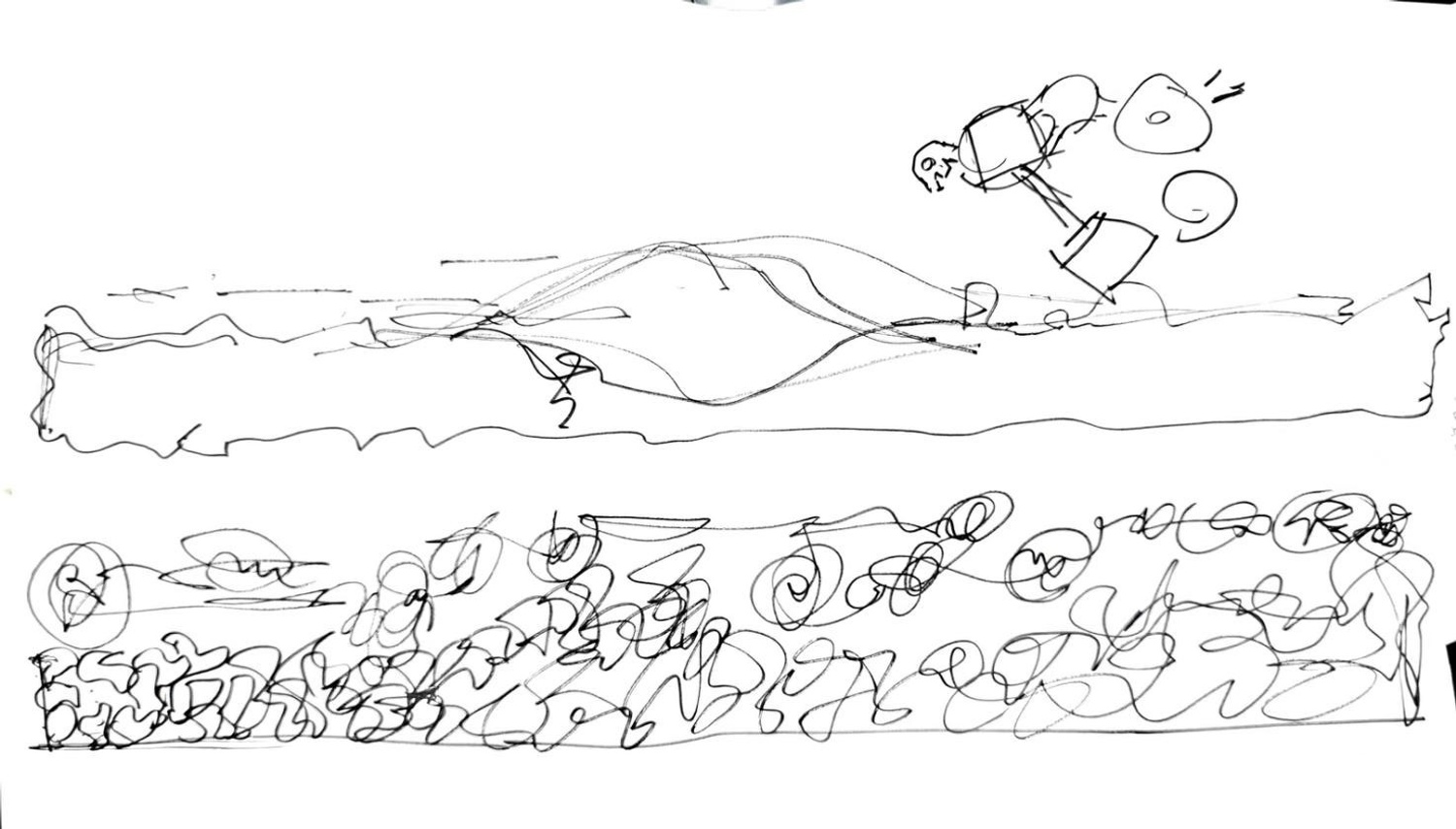
Through this sketch, I extracted a lot of lines and reorganized them to form a new source of inspiration. The lines are extended from my objects to have an impact on the design. My items contain many design elements. The use of design elements usually comes from the designer's concern for life and daily life. I found a lot of extractable elements in my place. For the extraction of rose flowers, I extracted Draw out the lines, and then design and extend the lines to obtain a flowing roof.

Slider image

The concept of bond

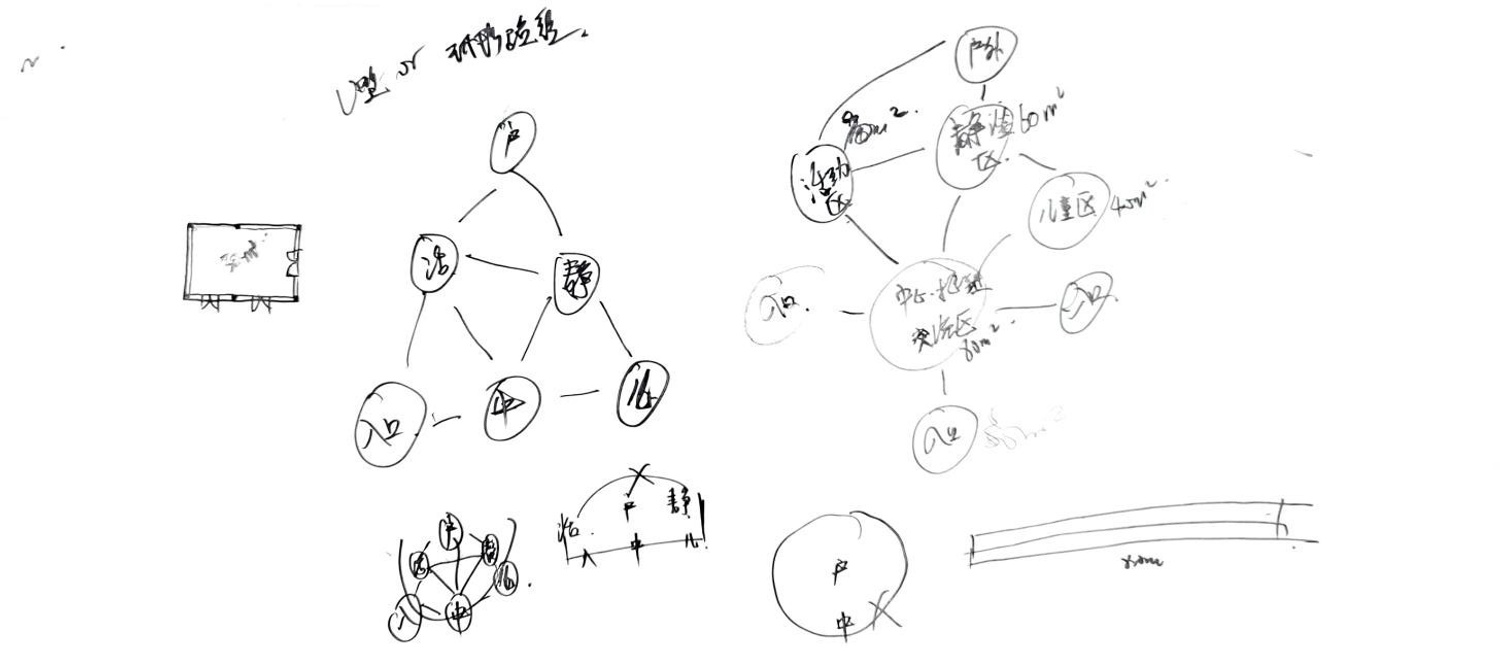
When planning the community, since my building has many functions, I made a lot of extensions when doing functional zoning to see if the community can be extended through bubbles. My functional areas include reception area, activity area, communication area, quiet area, garden, and parking area. How to arrange them can form a good flow. I used a bubble chart to connect them together. The meaning of connection is to connect the functions. Partitions are divided together.

Slider image

The extension of elements

When planning the community, since my building has many functions, I made a lot of extensions when doing functional zoning to see if the community can be extended through bubbles. My functional areas include reception area, activity area, communication area, quiet area, garden, and parking area. How to arrange them can form a good flow. I used a bubble chart to connect them together. The meaning of connection is to connect the functions. Partitions are divided together.

Slider image

Design development 

For the study of the roof, I first studied the sustainability of my building, because the original structure of the roof of the building was made of asbestos tiles, which are carcinogens, so they must be replaced immediately. The fluid top design that I talked about has become the focus, how to design through the top and extend it. The top frame structure requires reasonable design to be realized.

Step 1 of 4

Final Design Scheme

Secret Garden

The meaning of the secret garden comes from my research based on community people, because most of the daily life and preferences of community people are planting flowers and grass, which is a thing that middle-aged people like besides work. As for the social problems of middle-aged and elderly people, the secret garden can be used as an opportunity to bring the two generations closer and form a good community environment.

Final Design Proposal

The details of my design lie in the interconnections between my structures. How can my load-bearing column structure support an 80m-long irregular steel frame structure? During there search on the load-bearing columns, I adopted an arched structure, and chose a lightweight steel structure for the frame structure. In the load-bearing column part, I need to have a beam in the middle so that the entire frame can be supported. The relationship between the top frame and the irregular sun visor is a snap-on relationship. Can be assembled and disassembled. This is conducive to the sustainable development of the community.

General Views

The details shown in the picture, as well as the functional zoning and surrounding environment design. The picture shows the internal extension. There are many details in the picture, which can reflect the internal environment, furniture and planning.

Context, Site analysis, Design Narratives and Concept

Get to know the thorough design development from the stages listed below.

Community Project - Participant’s Installation

Design Narrative

Students theme  There is a troubling disconnect and communication barriers between middle-aged and older adults in communities, exacerbating social challenges in a rapidly aging population. Middle-aged people face tremendous work pressure and fierce competition, and the job market is being replaced by the younger generation. On the other hand, older adults struggle with social isolation, limited community participation, inadequate family support, and scarce employment opportunities. To bridge this gap, I conceived an interactive solution inspired by vintage cameras. Using fabric and glass I created a compact space where my interactions can be made up of parts of frosted and clear glass. It creates a blurred boundary. People can communicate while seeing each other. Through the gaps cut in the entire glass, people can transmit sounds and make physical contact to interact. The surface of the glass is coated with a thermal color coating. When the temperature changes, the color of the glass will change. People touching glass can leave traces. Interactions through the touch of different people promote communication and empathy, effectively eliminating communication barriers caused by generational barriers and age gaps. This move is crucial given the alarming demographic trend (elderly population), which is growing rapidly. Without meaningful interventions to promote understanding and interaction between different age groups, social cohesion will gradually weaken under the pressure of an increasingly aging society.

The juxtaposition of natural elements such as roses with man-made structures such as walls creates a dynamic interplay of texture, form and meaning. This exploration of contrasts and connections not only enriches the visual landscape but also triggers a deeper exploration of themes of growth, resilience and symbiosis within the built environment.

Honours Project - Site Research and Representation

Part I: Research and Analysis

The location I chose is Sihai Apartment in Songzhuang Town, Tongzhou District, Beijing. This is a large elderly community with basic facilities around it. In the north of the community is a large park. The interior of the community is very large. I chose The specific location of the abandoned building is an abandoned warehouse between Building 5 and Building 6. It is surrounded by residential buildings with no specific facilities. The abandoned warehouse is next to a bicycle shed, which is very long. There is greening behind the abandoned warehouse, and the greening area is also very large. There are trees planted around the greening and abandoned carports. The trees are relatively tall, resulting in poor light reception around the warehouse. Parking in the community is relatively random and there is no specific parking. planning. There are no street lights around, and the road in the community is relatively wide. It is dangerous for the elderly and cars to be on the same road. There is no fixed rest area for the elderly. Because the floors of residential buildings are too high, the light around the abandoned buildings is relatively dark. This is the specific location and surrounding environment I chose.

Part II: Site Representation

Narrative: 

A rose in front of a house has deep emotional and symbolic meaning, evoking a sense of sustenance, empathy and shared memory within the community. Its appeal lies in its ability to elicit joyful emotions and serve as a tangible reminder of self-worth and inner beauty. The life cycle of a rose, from growth to bloom and finally withering, reflects the evolution from rural life to urban development. Drawing inspiration from the colors of the rose, the palette ranges from earthy to urban tones, reflecting the transition from traditional country aesthetics to modern cityscapes. In the collision between life represented by flowers and non-life represented by walls, new design techniques emerge. The vibrant energy of the flowers contrasts with the static background of the walls, not only highlighting the subject but also promoting visual harmony and connection. Likewise, rhizomes, with their ability to penetrate soil and walls, symbolize interconnectedness and unity, providing inspiration for line-based design elements that convey intimacy and continuity. Morphological analysis of petals, receptacles and spines reveals innovative design possibilities. By deconstructing these elements, irregular shapes and stable triangular forms emerge, providing opportunities for creative expression and functional integration. Through this process of morphological separation and transformation, the inherent characteristics of each component are used to enrich the overall design concept.  

Honours Project

Theoretical Underpinning

Part I: Generation Z and Self-Identification

'..The abundance of intertwining branches dominating the composition symbolizes our generation's interconnectedness and adaptability in navigating the intricate web of modern society".'

Self-Identification

In this 3D collage I've created, a vivid portrayal of Generation Z's distinctive characteristics emerges. The deep reddish-brown hues envelop the canvas, reflecting our generation's passion and intensity. The textured background, reminiscent of rough paper, speaks to the multifaceted challenges and complexities we encounter in our daily lives. The abundance of intertwining branches dominating the composition symbolizes our generation's interconnectedness and adaptability in navigating the intricate web of modern society. Each branch represents a unique pathway, yet together they form a cohesive network, illustrating our generation's collaborative spirit and collective resilience in the face of adversity. On the other side of the canvas, the meticulously crafted landscape texture signifies our generation's deep connection to our roots and heritage. Through the use of paints, white modelling paste, and quartz sand, I've captured the essence of our generational journey ?from the timeless traditions passed down through generations to the innovative spirit driving us towards the future.

Part II:  Pre-generation Z and Self Identification

'....the paper fragments reflects the inner turmoil and contemplation that many in Generation X undergo.'

Pre-generation Z

In my collage representing Generation X, I've endeavored to capture the intricate nuances of their psychological landscape. Employing a backdrop of textured white, I sought to symbolize the internal world of solitude and introspection that often characterizes individuals of this generation. Using white paper fragments to depict members of Generation X, I aimed to illustrate the diverse spectrum of experiences within this cohort. Over time, we've come to understand that Generation X encompasses individuals who have found stability, those who are in constant motion, and others who are grappling with uncertainty and existential questioning. The configuration of the paper fragments reflects the inner turmoil and contemplation that many in Generation X undergo. I incorporated elements of needles to signify the challenges and obstacles prevalent in their social milieu. Generation X has faced numerous hurdles along their journey, and these are poignantly represented through the design choices in the collage. In crafting this piece, I deliberately adjusted the representation of needle elements to correspond with the levels of stability and uncertainty experienced by individuals within Generation X. For those who have found a sense of stability, the presence of needles diminishes, symbolizing a smoother path forward. Conversely, for those grappling with uncertainty, the presence of needles is more pronounced, reflecting the multitude of obstacles they encounter.  

Part III: Generations and community

'..the inclusion of grass elements in the composition represents the process of growth and self-discovery inherent in both generations.' 

Generations and community

Through a comparative exploration of Generation X and Generation Z, I've discovered both commonalities and distinctions between these two cohorts. In my artwork, I've utilized a backdrop of cotton fabric adorned with sunflower patterns, symbolizing the shared optimism and positivity inherent in both generations. The inclusion of elements like tree bark and nails signifies the growth journey we all undergo, yet also highlights the obstacles encountered along the way. The presence of nails embedded in the tree bark serves as a visual metaphor for the challenges we face during our development. Our experiences in society are akin to the pigments painted on the tree bark, depicting the influence exerted upon us by our surroundings. Furthermore, the inclusion of grass elements in the composition represents the process of growth and self-discovery inherent in both generations. As we navigate through life, we continuously seek to understand ourselves better and strive for personal development. The grass serves as a reminder of this ongoing journey towards self-realization and fulfillment. In essence, my artwork encapsulates the shared journey of growth, resilience, and self-discovery experienced by both Generation X and Generation Z. While each generation faces its unique set of challenges and experiences, they are united by their shared pursuit of positivity, growth, and fulfillment in an ever-evolving world.

To Explore, Discover, & Regenerate